Summer Pest Control in Raleigh, Wake Forest, Youngsville & the Triangle | Advance Pest Control
Summer Pest Pressure in the Triangle: What North Carolina Homeowners Should Know
Summer pest pressure in the Triangle can build quickly. Hot temperatures, humidity, afternoon storms, heavy rain, dense vegetation, and standing water all create ideal conditions for pests around homes, yards, crawlspaces, garages, patios, and landscaping.
For homeowners in Raleigh, Wake Forest, Youngsville, Louisburg, Franklinton, Durham, Garner, Clayton, and surrounding areas, summer is one of the most important times of year to stay consistent with pest protection.
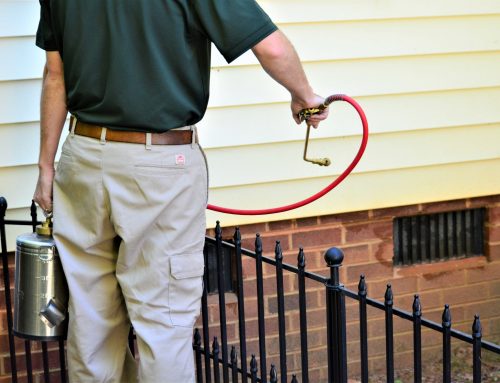
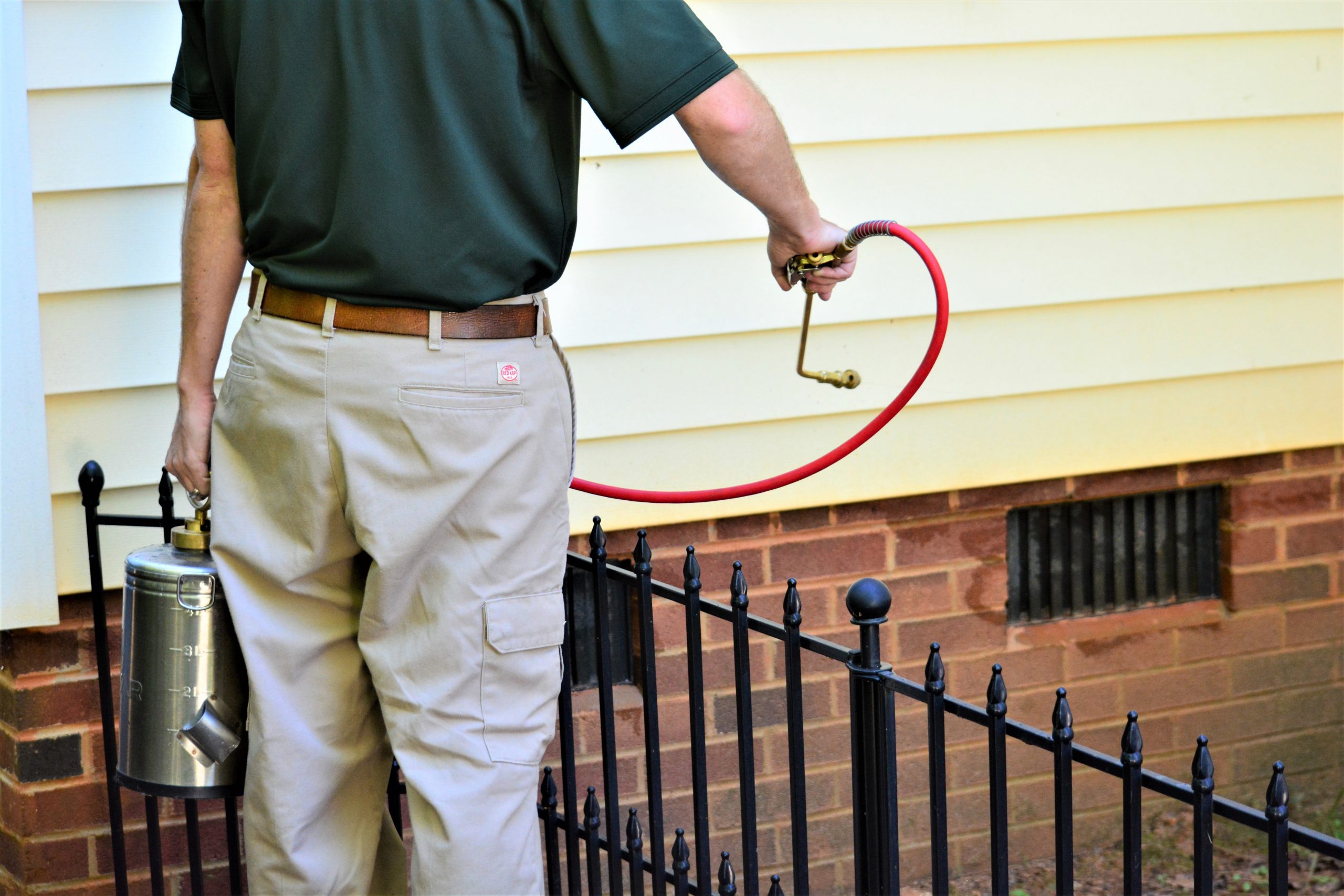
At Advance Pest Control, we believe pest control works best as a team process. Our technicians bring the experience, training, products, and local knowledge. Homeowners help by keeping an eye out for changes around the property and letting us know what they are seeing between visits.
Why Summer Pest Pressure Gets So High in North Carolina
North Carolina summers create the perfect mix for pest activity: heat, moisture, humidity, and outdoor activity. When afternoon storms roll through or standing water collects around the yard, pest populations can increase fast.
A lot of homeowners ask the same questions this time of year:
- Are these ants normal?
- Why am I suddenly seeing roaches?
- Where are these mosquitoes coming from?
- Do I still need quarterly service if I am not seeing much inside?
- Is it time for my annual termite inspection?
If that sounds familiar, you are not alone.
Summer pests are not always a sign that something is wrong with your home. But they are a sign that regular monitoring and prevention matter.
Top Summer Pests Homeowners Should Watch For
Ants
Ants are one of the most common summer pest concerns in the Triangle. They often move around looking for food, water, and shelter. Homeowners may notice trails near kitchens, bathrooms, windows, doors, garages, patios, and foundation areas.
Carpenter ants can also be a concern because they may be connected to moisture-damaged wood. If you are seeing large black ants indoors, around windows, or near wooden areas, it is worth mentioning during your service.
Cockroaches
Warm, humid conditions can increase cockroach activity, especially around kitchens, bathrooms, garages, crawlspaces, drains, cardboard storage, and moisture-prone areas.
Seeing one roach does not always mean there is a major infestation, but it should not be ignored. Roaches can hide well, reproduce quickly, and often point to areas where moisture, food, or harborage may be present.
Spiders
Spiders are often more noticeable when other insect activity is high. Webs around porches, exterior lights, garages, corners, entryways, sheds, and crawlspace openings are common during the summer.
While many spiders help reduce other insects outdoors, most homeowners prefer to keep them away from living spaces and regular entry points.
Wasps, Hornets & Yellow Jackets
Stinging insect activity increases as nests grow through the summer. Homeowners may notice nests under eaves, decks, porch ceilings, shutters, playsets, sheds, trees, shrubs, and other protected areas.
Active nests can become defensive, especially around children, pets, walkways, patios, and outdoor gathering spaces. Please do not try to knock down or treat a large active nest yourself. Give our office a call so we can help safely.
Mosquitoes, Ticks & Fire Ants
Mosquitoes, ticks, and fire ants are outdoor pests that can quickly make a yard uncomfortable. Mosquitoes often rest in shaded vegetation and breed in standing water. Ticks are common near wooded edges, tall grass, natural areas, and places with wildlife or pets. Fire ants can create painful stings and make lawns, play areas, and landscape beds difficult to enjoy.
Our Advance Tree & Shrub division provides mosquito control, tick prevention, and fire ant services, along with regular tree and shrub care.
Termites
Termites are one of the most important pests for North Carolina homeowners to monitor because they often stay hidden. Subterranean termites can be active behind walls, under crawlspaces, around foundations, and in areas where moisture and wood-to-soil contact are present.
Even if you are not seeing termites, annual termite inspections are an important part of protecting your home.
What Homeowners Should Be Looking For
Your regular pest service helps protect your home, but you know your property best. Between visits, watch for:
- Ant trails around windows, doors, kitchens, bathrooms, and exterior walls
- Roaches or droppings in kitchens, garages, laundry rooms, crawlspaces, or cardboard storage areas
- Spider webs around porches, garages, exterior lights, and entryways
- Wasp or hornet nests under eaves, decks, shutters, sheds, or shrubs
- Standing water in buckets, toys, flowerpots, gutters, birdbaths, tarps, or low areas of the yard
- Fire ant mounds in lawns, landscape beds, play areas, and outdoor spaces
- Ticks near wooded edges, tall grass, pet areas, or natural areas
- Termite warning signs such as mud tubes, damaged wood, hollow-sounding wood, or discarded wings
- Moisture concerns around crawlspaces, foundations, gutters, or exterior wood
If you see something, let us know. Photos are always helpful. A quick picture or note about where activity is happening can help our technicians adjust your service and focus on the areas that need attention.
If you want to stay ahead of what is active around homes this time of year, our seasonal pests page is also a helpful resource.
Pest Control Works Best as a Team Process
Professional pest control is not just about what happens during the service visit. It works best when the homeowner and technician work together.
Our team brings the experience, local pest knowledge, inspection process, treatment tools, and professional recommendations. Homeowners help by sharing what they are seeing and keeping conditions around the home less attractive to pests.
A few simple steps can support your regular pest service:
- Reduce standing water after rain
- Keep gutters clear when possible
- Store firewood away from the home
- Trim shrubs, vines, and branches away from the structure
- Seal food and clean up crumbs or spills
- Reduce cardboard and clutter in garages, closets, and storage areas
- Keep crawlspaces, garages, and exterior access areas as clear as possible
- Let us know about pest activity before or during your service visit
The more information we have, the better we can help.
For more homeowner education, you can also browse our Pest Library or review our common pest control questions page.
Why Consistent Quarterly Pest Service Matters
Quarterly pest control is designed to be proactive. In our warm, humid climate, pests do not always wait until it is convenient. Ants, roaches, spiders, stinging insects, and other pests can build around the exterior before they move inside.
Staying consistent with quarterly service helps us:
- Maintain a protective barrier around your home
- Monitor seasonal pest pressure
- Treat entry points and high-activity areas
- Address pest activity before it becomes a larger issue
- Adjust treatments based on weather, pest activity, and your property’s needs
Skipping service may allow pest populations to grow around the home, especially during peak summer conditions.
A Local Reminder for Triangle Homeowners
Summer pest pressure in the Triangle is normal, but it should not be ignored. With consistent quarterly pest service, annual termite inspections, and good communication between homeowners and technicians, small pest concerns are much easier to manage before they become larger problems.
At Advance Pest Control, we help homeowners throughout Raleigh, Wake Forest, Youngsville, Louisburg, Franklinton, Durham, Garner, Clayton, and surrounding areas protect their homes from seasonal pest activity.
If you are seeing ants, roaches, spiders, wasps, termites, or other summer pest activity, now is a good time to contact Advance Pest Control.
If you need help with mosquitoes, ticks, fire ants, or tree and shrub concerns, our Advance Tree & Shrub team can help with those services as well.
Don’t let pests become a big problem.
Call (919) 569-0555 or visit AdvancePestControl.co to schedule a free inspection today.