What Is Included in Quarterly Pest Control?
Quarterly pest control should be more than someone showing up every three months and spraying around the house. A good recurring pest-control program combines inspection, targeted treatment, prevention, monitoring and communication.
At Advance Pest Control, quarterly service is designed around your home’s pest activity and the conditions our technician finds during each visit.
Common Questions Answered
Inspection and Pest Assessment
Before deciding what needs to be treated, the technician needs to understand what is happening.
That may include looking for active insects, spider webs, nesting areas, pest entry points, moisture concerns and other conditions that can contribute to pest activity.
If you’ve noticed something between visits, tell your technician. Where you saw a pest—and when—can be surprisingly helpful.
Exterior Pest Treatment
For most homes, the exterior is the first line of defense.
Many household pests begin outside and eventually make their way indoors through foundation gaps, doors, windows, utility penetrations or other small openings.
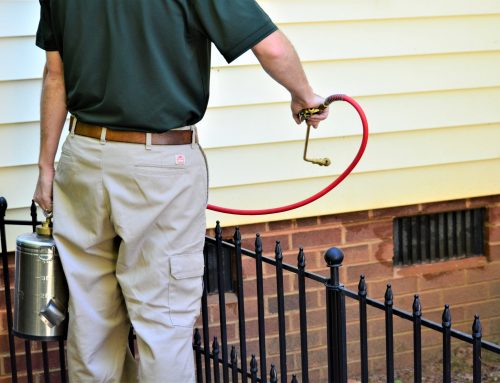
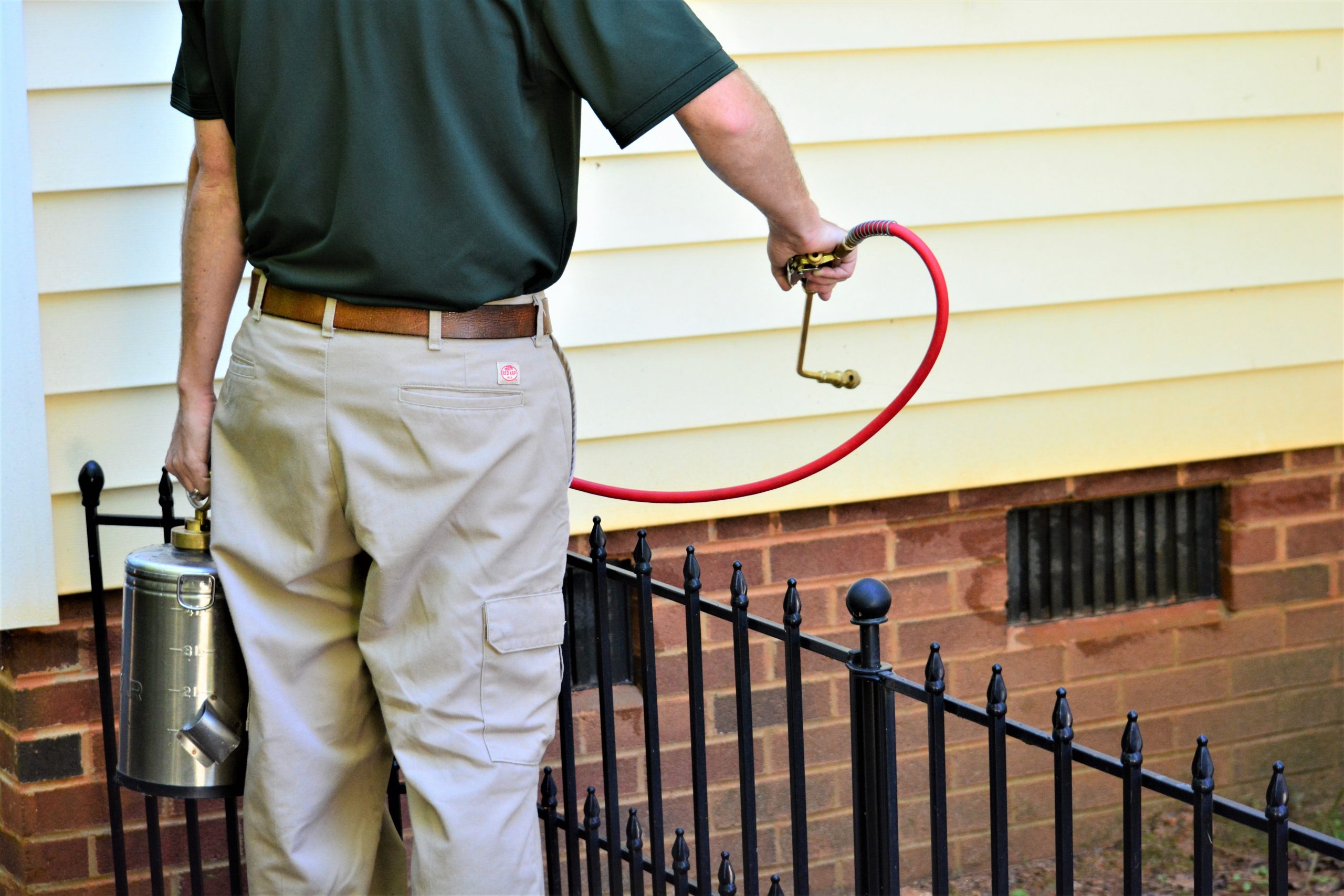
Depending on the property and conditions, your technician may treat targeted exterior areas around the foundation, doors, windows, garage and other locations where pest activity is likely.
Our goal is to address pests before they become comfortable inside your home.
Interior Treatment When Needed
Not every quarterly appointment requires treating every room inside.
If you are not experiencing indoor pest activity, an exterior-focused service may be appropriate. If you have noticed ants, roaches, spiders or another pest indoors, let the technician know so the affected area can be evaluated.
Using treatment where it is actually needed follows the basic principles of Integrated Pest Management. NC State Extension describes IPM as identifying the pest, reducing the food, water and shelter it needs, and then using appropriate control methods when necessary.
Seasonal Adjustments
Pest activity in North Carolina changes dramatically throughout the year.
Your spring visit shouldn’t necessarily look exactly like your winter visit.
Ants and spiders may become more noticeable during warmer weather, while mice and other pests may seek shelter as temperatures cool.
That’s why recurring service is useful: it gives technicians a chance to respond to the pest pressure that’s happening now, rather than treating a house using exactly the same routine year-round.
Visit our Seasonal Pests page to see common Triangle-area pests by season.
Recommendations From Your Technician
Sometimes the most important part of pest control isn’t an application at all.
A technician may recommend correcting moisture, trimming vegetation away from the structure, sealing an opening, moving stored materials or addressing another condition that’s helping pests survive.
Those small changes can make a big difference.
What Pests Are Typically Covered?
Quarterly general pest control is intended for many common household pests such as ants, cockroaches, spiders, silverfish and other occasional invaders.
Some problems require specialized inspections or separate programs. Termites, rodent exclusion and certain other specialty pests or services may need their own treatment plan.
Our Pest Library can help you learn more about specific pests commonly found around North Carolina homes.
How Often Is Quarterly Pest Control?
As the name suggests, service is typically performed about once every three months.
Advance Pest Control schedules recurring customers ahead of their treatment dates and provides appointment reminders to help keep service consistent.
Consistency matters because preventative pest control works best when we stay ahead of pest activity rather than allowing a problem to rebuild between treatments.
Do You Have to Sign a Contract?
For Advance Pest Control’s standard quarterly residential program, no long-term contract is required.
Our goal is pretty simple: provide reliable pest control that customers want to continue because it works and because they’re happy with their service.
To learn more, visit our Residential Pest Control page.