Advance Pest Control | Triangle Area, NC
Drywood Termites in North Carolina: The “Unusual” Termite That Can Hide in Plain Sight
Most homeowners around the Triangle (Raleigh, Wake Forest, Youngsville and surrounding areas) hear “termites” and think of subterranean termites—the common North Carolina termite that lives in the soil and can swarm from late winter into the warmer months.
But every now and then, we get a call that’s a little different.
Recently, our home inspector Joey was called out to a home with unusual pest activity that other companies couldn’t confidently identify. This is exactly where training and experience matter. Our inspectors, pest techs, and termite techs focus on correct identification first—then the right plan to fix the issue (and we always explain what we’re seeing so you’re not left guessing).
That “mystery pest” turned out to be drywood termites.
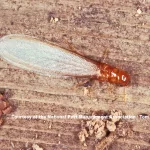
Drywood Termite from Tom Myers, NPMA
What are drywood termites?
Drywood termites live inside the wood they eat. They don’t need contact with the soil the way subterranean termites do, which makes them harder to spot until there are clues.
They’re also known for smaller colonies than subterranean termites and can be tough to detect because they stay hidden deep in wood for long periods.
Where do drywood termites show up?
Drywood termites are generally associated with warmer regions (often the southern tier of states), and they can also spread by “hitchhiking” in wood items.
Here’s the part many homeowners don’t realize: drywood termites can be transported in an infested piece of furniture, picture frame, or other wood item—and then quietly settle in. (More Info Here: PestWorld.org
Why drywood termites can be found almost anywhere indoors
Because they live in wood, drywood termites can show up in places like:
-
Wood trim around doors/windows
-
Attics and framing
-
Wood furniture (yes—dressers, antiques, wood bed frames, etc.)
The top signs of drywood termites (what Joey looks for)
1) Drywood termite frass (droppings): the 6-sided “calling card”
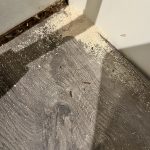
Drywood Termite Frass
One of the most recognizable clues is drywood termite fecal pellets, often called frass.
-
Pellets are tiny and have a distinct six-sided shape.
-
Homeowners often describe them as “sand-like” or like little piles of debris.
-
They’re pushed out through small openings and can collect on window sills, floors, or ledges below the infested area.
Quick tip: Frass can be mistaken for general dust or debris. If you’re seeing repeat little piles near trim or furniture, it’s worth having it checked.
2) Kick-out holes (tiny exit holes)
Inspectors also look for kick-out holes—small holes where termites push pellets out of the wood.
3) Shed wings / swarmers near light
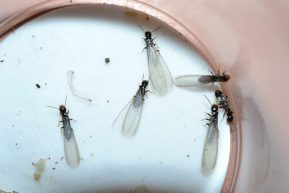
Like other termites, drywood termites can swarm. Discarded wings and swarmers near light sources can be a sign. More Info Here
4) Feeding damage that cuts across the wood grain
Drywood termite galleries tend to be smooth and often go across the grain of the wood, forming chambers and tunnels.
Drywood termites vs subterranean termites (simple comparison)
-
Subterranean termites: typically start from the soil, can build very large colonies, and often leave signs like mud tubes.
-
Drywood termites: live inside wood, often leave 6-sided frass pellets and kick-out holes, and may be introduced through wood items.
Why correct identification matters
If another pest problem is mistaken for termites (or the wrong termite type), you can waste time and money on the wrong solution.
Professional identification often relies on multiple clues—pellets, kick-out holes, feeding patterns, and even wing vein patterns when swarmers are present. Read More Here
Treatment options: what actually works for drywood termites
Treatment depends on where the infestation is and how widespread it is. University and industry resources generally group drywood termite control into localized treatments vs whole-structure treatments.
Localized options (best for limited infestations)
-
Remove/replace infested wood (common when damage is limited to trim).
-
Remove infested furniture/items if the activity is contained.
-
Targeted injections / spot treatments (requires knowing exactly where galleries are).
Whole-structure option (best when activity is widespread)
-
Fumigation (tenting) is widely recognized as highly effective because it reaches hidden areas throughout the structure—but it’s also heavily regulated and must be performed correctly and safely.
NOTE: We don’t offer this option due to the rarity of Drywood Termites found in our area. Plus, with thorough inspections we can catch wood destroying insects in a quick manner.
What to do if you suspect drywood termites in the Triangle
-
Don’t panic—drywood termite damage usually develops over time, but you do want a clear plan.
-
Save a sample of the pellets (zip bag) and note where you found them.
-
Schedule a professional termite inspection( That’s us! )—drywood termites are hard to confirm without experience.
If you’re in the Triangle area and want answers, we’re happy to take a look. Joey and our team will identify what’s going on, explain the evidence we’re seeing, and recommend a treatment that fits the situation—no fluff, no guesswork.
Call (919) 569-0555 or visit AdvancePestControl.co to schedule a free inspection today.