Crawlspace Encapsulation, Termites & Moisture | Advance Pest Control
Crawlspace Encapsulation in Raleigh, NC: Helpful or Not?
Crawlspace encapsulation is a common topic for homeowners in Raleigh, Youngsville, Wake Forest, Louisburg, Garner, Durham, and surrounding Triangle communities.
If you have noticed musty odors, damp insulation, soft flooring, standing water, or high indoor humidity, your crawlspace may be part of the problem.
Encapsulation can be a smart way to help control moisture under the home. But when termites are involved, it should be handled carefully.
A cleaner, drier crawlspace is a good thing. A crawlspace that hides termite activity is not.
Why Crawlspace Moisture Matters in North Carolina
North Carolina homes deal with humidity, heavy rain, clay soil, shaded lots, poor drainage, and seasonal storms. These conditions can create damp crawlspaces, especially when there is exposed soil, open vents, plumbing leaks, clogged gutters, or poor grading near the foundation.
Too much crawlspace moisture can lead to:
- Musty odors inside the home
- Mold or mildew concerns
- Wood decay or fungus
- Falling or damp insulation
- Higher indoor humidity
- Pest activity
- Conditions that may attract subterranean termites
Subterranean termites live in the soil and need moisture to survive. A wet crawlspace, standing water, leaking pipe, or damp wood can create a more favorable environment near the structure of your home.
Moisture does not automatically mean termites are present, but it does mean the crawlspace should be checked.
According to NC State Extension, crawlspace moisture, wet soil, standing water, and moisture near wood can create conditions that are more favorable for subterranean termites, making regular inspections important for existing homes. NC State Extension termite prevention guidance
What Is Crawlspace Encapsulation?
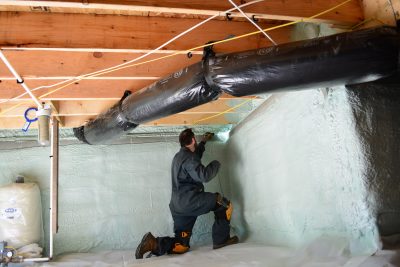
Crawlspace encapsulation is the process of sealing the crawlspace to help control moisture. A typical system may include:
- A heavy-duty vapor barrier over the soil
- Sealed foundation vents
- Sealed seams and openings
- Crawlspace insulation updates
- A dehumidifier
- Drainage improvements when needed
The goal is to create a cleaner, drier, more controlled space under your home.
For many Triangle homeowners, encapsulation may help improve comfort and reduce moisture-related problems. However, it should be done after the crawlspace has been inspected for termites, moisture issues, and access concerns.
The Benefits of Crawlspace Encapsulation
Encapsulation may be helpful when a crawlspace has ongoing moisture problems.
Potential benefits include:
- Better moisture control
- Reduced musty odors
- Cleaner crawlspace access
- Less pest-friendly conditions
- Improved comfort inside the home
- Better long-term protection for the structure
Many pests are attracted to damp, dark, protected areas. Reducing moisture can make the crawlspace less inviting to pests like cockroaches, ants, rodents, and termites.
Encapsulation is not pest control by itself, but moisture control is an important part of long-term prevention.
The EPA also emphasizes that moisture control is one of the most important steps in managing mold concerns inside and around the home. EPA moisture and mold guidance
The Termite Concern: Inspection Access Matters
This is the biggest issue homeowners should understand before encapsulating.
Subterranean termites often travel through foundation cracks, piers, plumbing areas, expansion joints, and mud tubes. If a vapor barrier, foam board, or insulation covers too much of the foundation wall, termite evidence may be hidden.
That can make future termite inspections more difficult.
A properly encapsulated crawlspace should keep important inspection areas visible so termite activity can be found early.
Encapsulation Does Not Replace Termite Protection
A dry crawlspace is helpful, but it does not make a home termite-proof.
Termites live in the soil and can enter through small cracks or hidden construction gaps. Even homes with good moisture control still need termite inspections and, when recommended, termite treatment or warranty protection.
Before encapsulating, homeowners should ask:
- Has the crawlspace been inspected for termites?
- Is there active termite activity or old termite evidence?
- Are there mud tubes, damaged wood, or wood-to-soil contact?
- Will foundation walls and piers remain visible?
- Is there an active termite warranty?
- Could drainage work disturb a previous termite treatment?
If termites are active, treatment should happen before crawlspace areas are sealed or covered.
The North Carolina Department of Agriculture’s WDI guidance lists conditions such as excessively wet wood, wood-to-soil contact, and cellulose debris as conducive to subterranean termite activity. NCDA wood-destroying insect guidance
When Encapsulation May Be a Good Idea
Crawlspace encapsulation may be worth considering if your home has:
- Persistent crawlspace moisture
- Standing water or wet soil
- Musty odors
- High indoor humidity
- Mold, mildew, or fungal concerns
- Damp or falling insulation
- HVAC ductwork in the crawlspace
- Repeated pest issues connected to moisture
- Inspection notes about termite-conducive conditions
Homes in wooded neighborhoods, low-lying areas, shaded lots, or properties with drainage problems may be more likely to need crawlspace moisture improvements.
When Full Encapsulation May Not Be Necessary
Not every crawlspace needs full encapsulation.
If the crawlspace is dry, accessible, properly graded, and already has a good vapor barrier, a full encapsulation system may not be the best first recommendation.
In some cases, homeowners may only need:
- A new or improved vapor barrier
- Downspout extensions
- Better exterior grading
- Plumbing leak repairs
- Drainage corrections
- Removal of wood debris or cellulose material
- Annual termite inspections
- Termite warranty protection
The goal is not to choose the biggest project. The goal is to protect the home.
When Should Termite Treatment Be Done?
The best time to address termites is before there is damage — and before crawlspace work covers areas that need to be inspected.
Homeowners should consider termite treatment or warranty coverage when:
- Buying or selling a home
- Planning crawlspace encapsulation
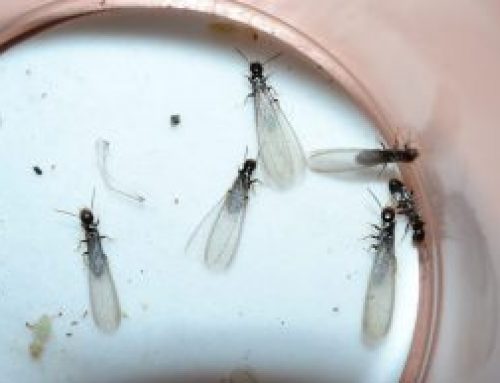
- Seeing termite swarmers indoors
- Finding mud tubes
- Noticing soft, blistered, or damaged wood
- Seeing moisture problems in the crawlspace
- The home has no current termite protection
- Previous termite treatment records are unknown
- A WDI inspection is needed for real estate or refinancing
For homeowners in Raleigh, Wake Forest, Youngsville, Louisburg, Garner, Durham, and nearby areas, a termite inspection is a smart step before investing in crawlspace work.
Our Recommendation for Triangle Homeowners
At Advance Pest Control, our recommendation is simple:
Inspect first. Treat if needed. Encapsulate correctly. Keep the crawlspace accessible. Continue annual termite inspections.
Crawlspace encapsulation can be helpful when moisture problems are present and the system is installed correctly. But homeowners should not seal up a crawlspace before understanding termite risk.
A dry crawlspace is good. A termite-protected crawlspace is better. A dry, accessible, professionally inspected crawlspace is the best of both worlds.
A Local Reminder
Crawlspace encapsulation is not automatically good or bad. It depends on your home, moisture levels, termite history, drainage, and how the work is installed.
If you are considering crawlspace encapsulation, schedule a termite and moisture inspection first. Advance Pest Control can help identify termite activity, moisture concerns, conducive conditions, and areas that should remain visible for future inspections.
Don’t let pests — or crawlspace moisture — become a big problem.
Call (919) 569-0555 or visit AdvancePestControl.co to schedule an inspection.
Recap for Helpful Homeowner Resources
For homeowners who want to better understand crawlspace moisture, termites, and wood-destroying insect concerns, helpful educational resources include NC State Extension termite prevention guidance, NCDA wood-destroying insect guidance, and EPA moisture and mold guidance.