

Seasonal Pests: Fall
As temperatures drop after our hot summer temps, Advance Pest Control specializes in proactive Fall pest treatments to help prevent rodents, seasonal pest invaders, and termites from moving indoors. Fall is when many pests start looking for warmth and shelter. This is one of the most important times for exterior prevention, sealing entry points, and reducing overwintering pests before they settle in. Serving the Triangle and surrounding areas for over 25 years.
Read more about our Residential Pest Control Services – Click Here
Visit our blogs for more info – Start with our Sweater Weather & Sneaky Pests: A Technician’s Fall-Winter Tips
Rodents
Mice & Rats Moving Indoors
As temperatures fall, rodents seek food and shelter inside walls, attics, and crawlspaces.
Look for: droppings, gnaw marks, scratching at night, and shredded nesting material.
Prevent with: Rodent exclusion & baiting services.
Stink Bugs
Invading Homes for Warmth
Often found on siding and window frames before entering homes.
Look for: large clusters, especially on sunny exterior walls.
Prevent with: Perimeter pest control applications.
Boxelder Bugs
Seeking Shelter Indoors
These red-and-black insects gather around structures before pushing inside.
Look for: activity on the south-facing walls and along windowsills.
Prevent with: Fall exterior treatment barriers.
Asian Lady Beetles
Overwintering Indoors
Similar to ladybugs but enter in large numbers looking for indoor shelter.
Look for: beetles in attics, around windows, and lighted areas.
Prevent with: Asian Lady Beetle exclusion and sealing treatments.
Spiders
Indoor Activity Increases
Spiders move indoors following prey insects.
Look for: webs in corners, basements, garages, or crawlspaces.
Prevent with: Interior and exterior spider control treatments.
Cockroaches
Surge in Indoor Infestations
Cooler weather drives them into kitchens, bathrooms, and basements.
Look for: nighttime sightings, droppings, and musty odor.
Prevent with: Interior cockroach treatment and sanitation recommendations.
Ticks & Fleas
Last Surge Before Cold Weather
Late-season infestations often come from outdoor areas and pets.
Look for: scratching pets, small insects in bedding, ticks after time outside.
Prevent with: Final lawn application for fall tick, Pet flea protection (homeowner), and indoor flea treatment when needed
Termites
Subterranean Activity Continues
Colonies remain active below ground even during colder months.
Look for: mud tubes, hollow wood, or discarded swarmer wings.
Prevent with: Termite monitoring & baiting before winter.
Termites
One of North Carolina’s BIG pest problems – Subterranean Termites. Beginning in March, termite swarmers emerge to establish new colonies. Spring is a critical time for termite prevention and detection.
Swarmers are winged reproductive termites and are often the first sign of a potential infestation. Active termite colonies can cause significant structural damage to homes over time. Early detection and treatment is crucial.
Remember: Termites don’t take a season off!
-
Spring: Swarmers emerge, looking to start new colonies.
-
Summer: Colonies are busy feeding and expanding underground.
-
Fall: Activity continues as termites search for warm, moist areas near your home.
-
Winter: Termites stay active below the frost line, often moving closer to heated structures.
Year-round protection is the only way to keep them from causing costly damage. Learn more.
What should you look for?
It’s common to find swarmers near windows or doors. Other signs of a potential termite problem include discarded wings, mud tubes on foundation walls and hollow-sounding wood.

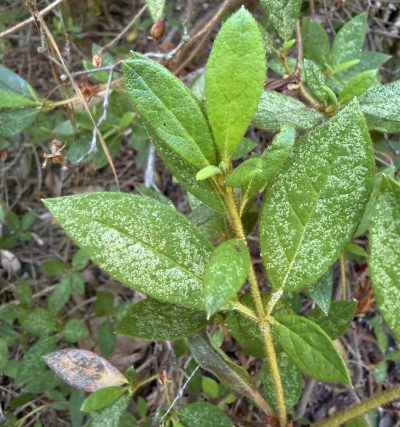
Fall Plant Health Care
September through November is an important recovery and preparation season for ornamental trees and shrubs in Central North Carolina.
After a summer of heat, humidity, periods of drought or heavy rain, insects and disease pressure, fall gives us a chance to see how plants handled the growing season and address problems before winter.
For homeowners throughout Raleigh, Wake Forest, Youngsville, Rolesville, Cary, Durham, Louisburg and surrounding Triangle communities, fall plant health care isn’t simply about raking leaves or automatically applying fertilizer.

When everything is working well to control pests, you’re doing things right for me. Thank You John, for always taking good care of me. I’ll see you again in about 3 months.
